
Panel systems
Close-board (feather-edge) fencing on timber or concrete posts, standard overlap panels, hit-and-miss panels for wind-loaded exposed sites, decorative-topped panels for feature runs, and picket fencing for front boundaries.
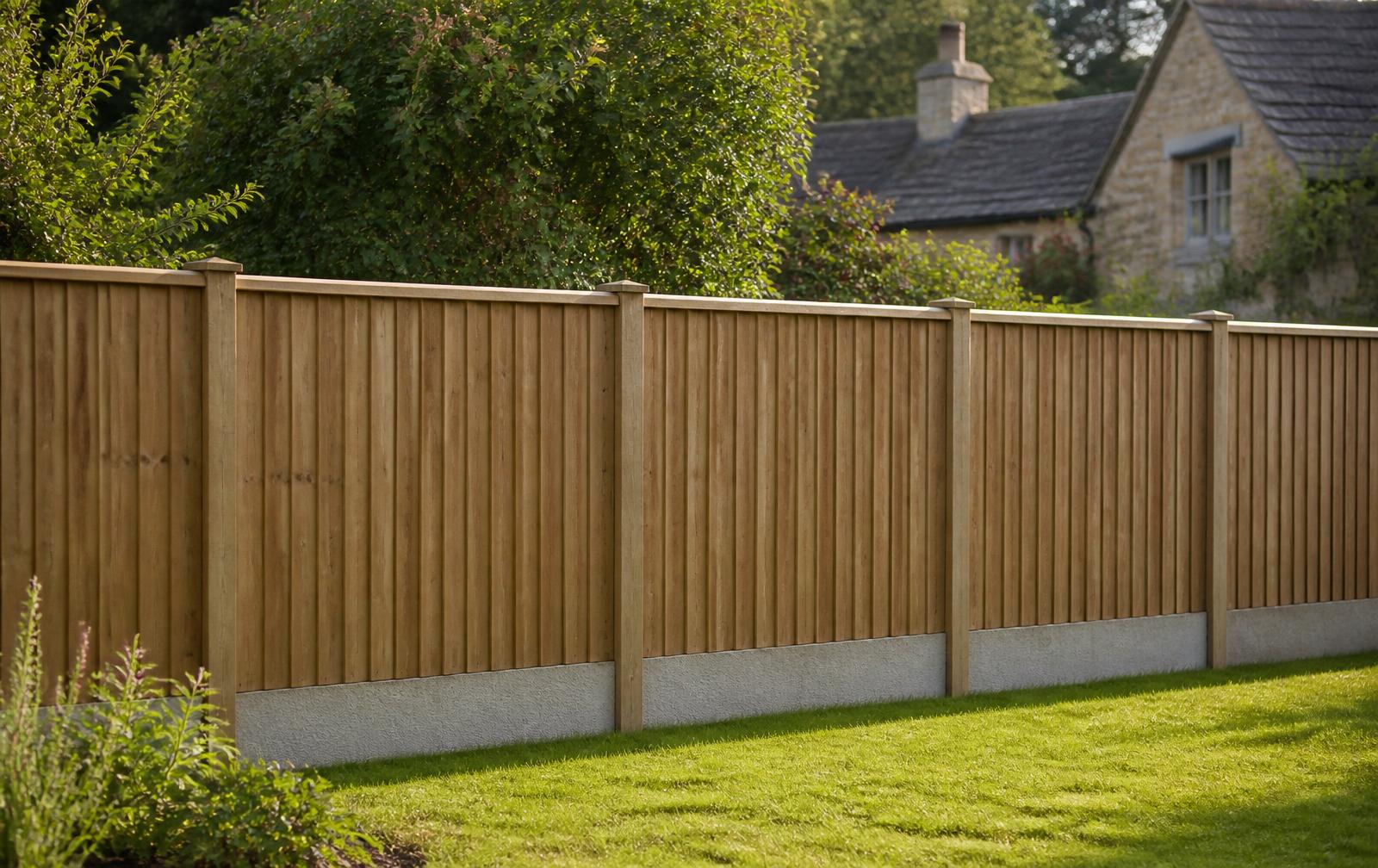
Fencing · Highworth · Swindon · Cotswolds
Panel and close-board fencing supplied and fitted properly: posts set straight and solid, panels aligned, tops level. Fencing that survives more than one wet winter.
40 years' experience · Family-run · Free site visits · Fully insured
Overview
Fencing looks simple. So does bricklaying, until it starts falling over. The two biggest killers of a domestic fence are badly-set posts and rushed installation, and both are avoidable if the person putting it in cares about it lasting.
Close-board fencing, feather-edge panels, lap-panel fencing, hit-and-miss panels, decorative-topped panels, brick-piered fencing (piers built by us, panels dropped in between), post-and-rail fencing for larger plots, gates and gate hanging, and repair of storm-damaged runs.
Homeowners whose fencing is falling over. Landlords needing a boundary refresh. Buyers of new-build homes with tired developer-grade fencing. Owners of larger plots wanting a proper post-and-rail run.
Fence has come down or is leaning after wind. Posts are rotting at ground level. Panels are broken, missing slats, or have worked loose. New boundary being installed. Replacing a temporary fence with a proper one.
Any timber merchant sells decent fencing. What separates a five-year fence from a twenty-year fence is what's happening at ground level: post depth, concrete mix, protection at the base, and level fitting.
The cost of getting it wrong
The failure modes are predictable.
Untreated wood, shallow set, no concrete collar: posts rot exactly where you can't see, and snap in the next storm.
Post spacing wrong, gravel boards missing, panels sitting on soggy ground: timber warps and the whole run distorts.
Fence lines put in without setting out to the actual boundary can end up over-line: a neighbour dispute waiting to happen.
Gate posts under-specified for the weight and swing. Every gate needs its own consideration.
Common mistake, Most common mistake: replacing panels without replacing the posts. Old rotten posts kill new panels within a couple of years.
Our process
Straightforward and honest.
We walk the boundary with you, measure accurately, and agree on style, height and any gates.
Materials, labour and waste removal itemised within 3–5 working days.
Old fencing lifted and taken away. Posts dug to proper depth, concreted, and left to set.
Panels fitted, gravel boards installed, caps and tops trimmed level. Site left tidy.
The benefits
Not the two-spade-shove of a rush job. Posts to correct depth, concrete-set, with a collar above ground level.
Panels off the ground so they don't sit in wet soil and rot from the bottom up.
Fence lines that look right, and tops that don't step and jog between panels.
Gate posts sized and set for the gate they're carrying. Ironmongery fitted to spec.
Because we're bricklayers, brick-piered fencing is a natural fit: proper piers with panels between, not decorative brackets pretending to be piers.
Old fencing, broken panels and spoil removed at completion.
In detail
Types, materials and situations.
Close-board (feather-edge) fencing on timber or concrete posts, standard overlap panels, hit-and-miss panels for wind-loaded exposed sites, decorative-topped panels for feature runs, and picket fencing for front boundaries.
Pressure-treated timber posts (most common, longest life when set properly), concrete posts (near-permanent, panels slide in), and steel-supported timber posts (a hybrid that puts steel in the ground and timber above).
Where a property warrants a stronger boundary: brick piers built to proper foundations at panel spacing, with fencing panels installed between. Popular on Cotswold-fringe properties and larger front boundaries.
Timber gates single and double, from garden side gates to driveway gates. Gate posts sized for the weight of the gate and the swing loading: a job gates often fail on when installed cheaply.
Storm-damage repairs to individual panels or posts, matching in existing runs where we can, and rebuild of sections where wind has taken a longer run down.
Recent works
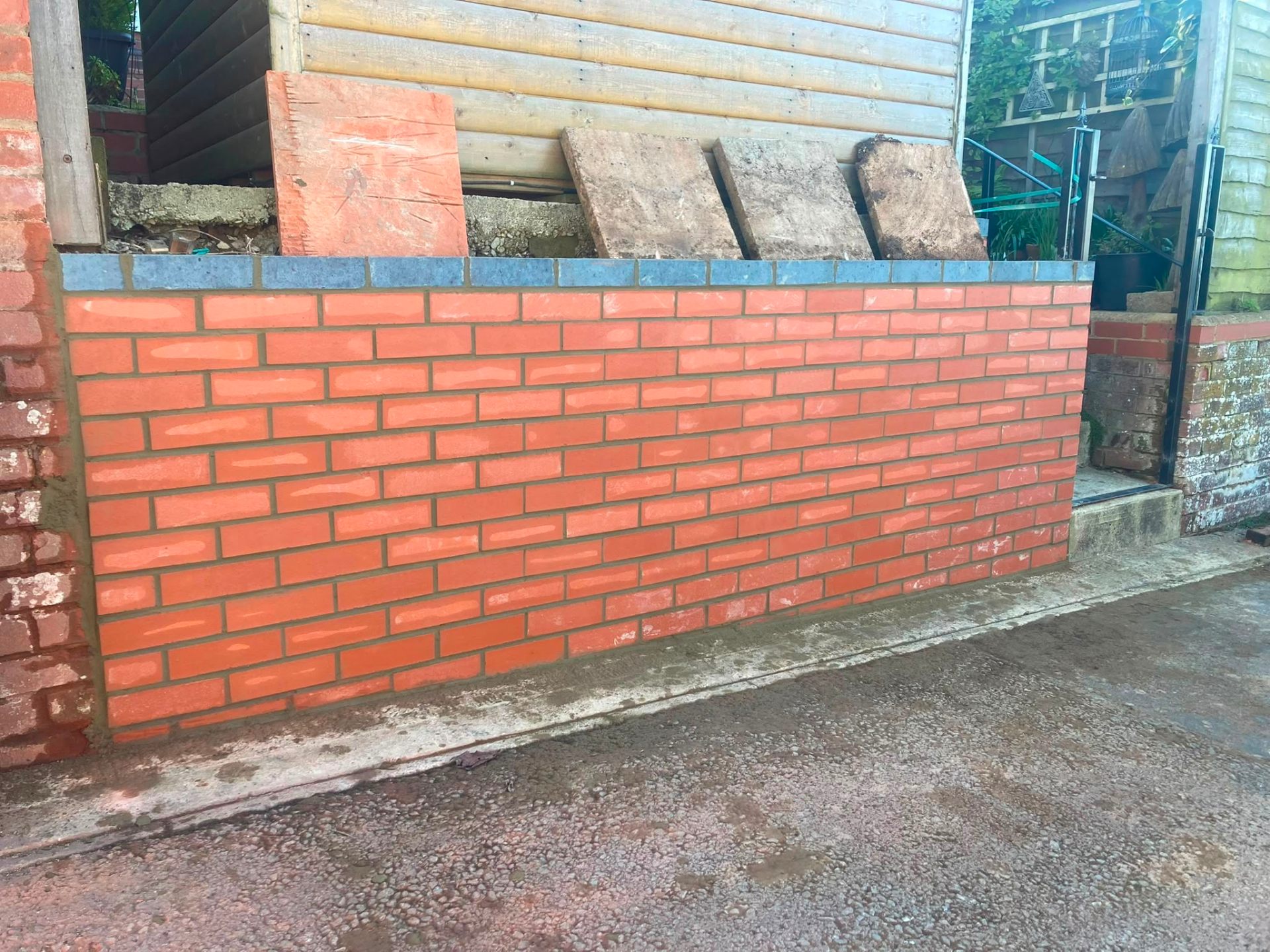
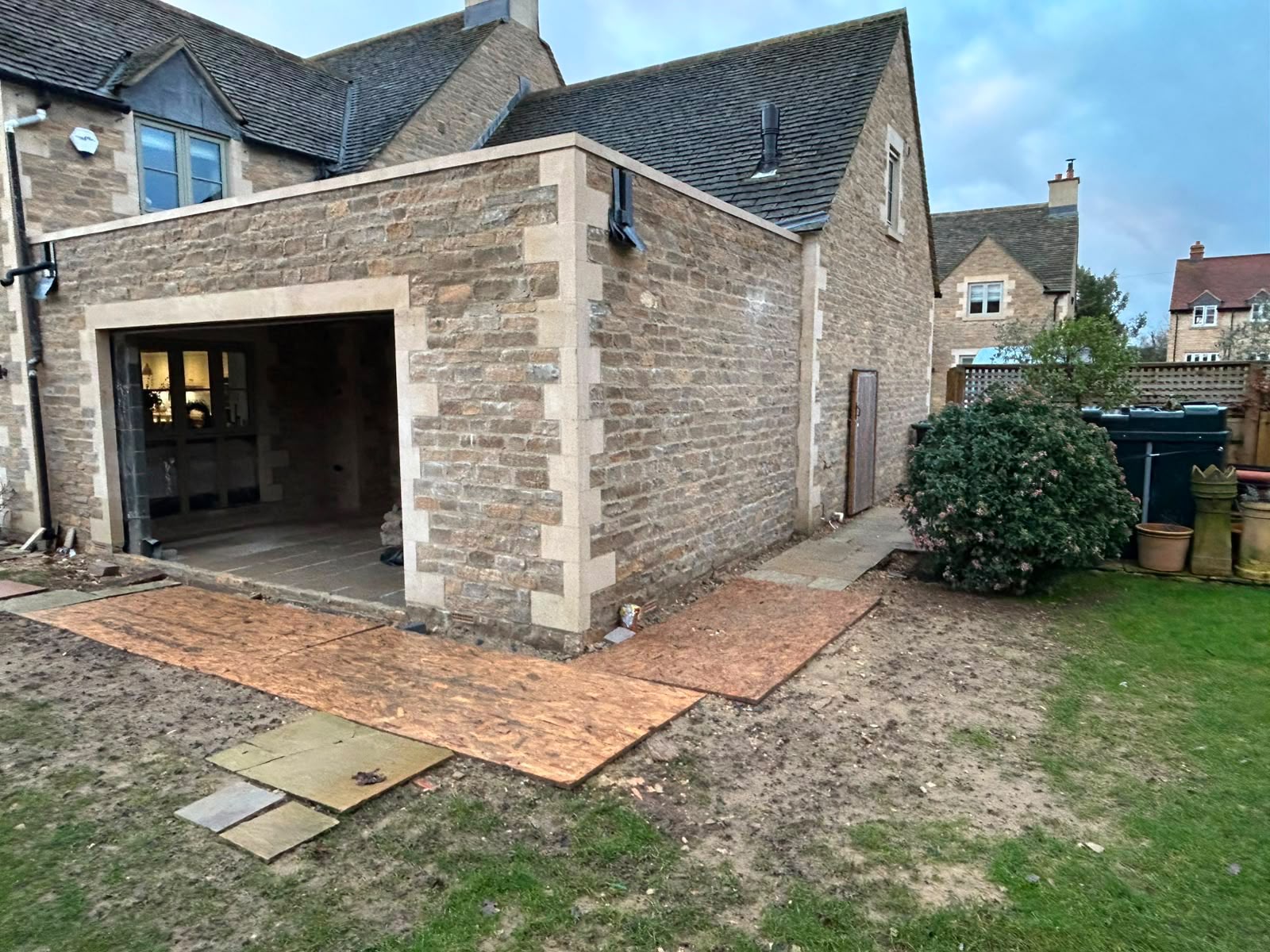
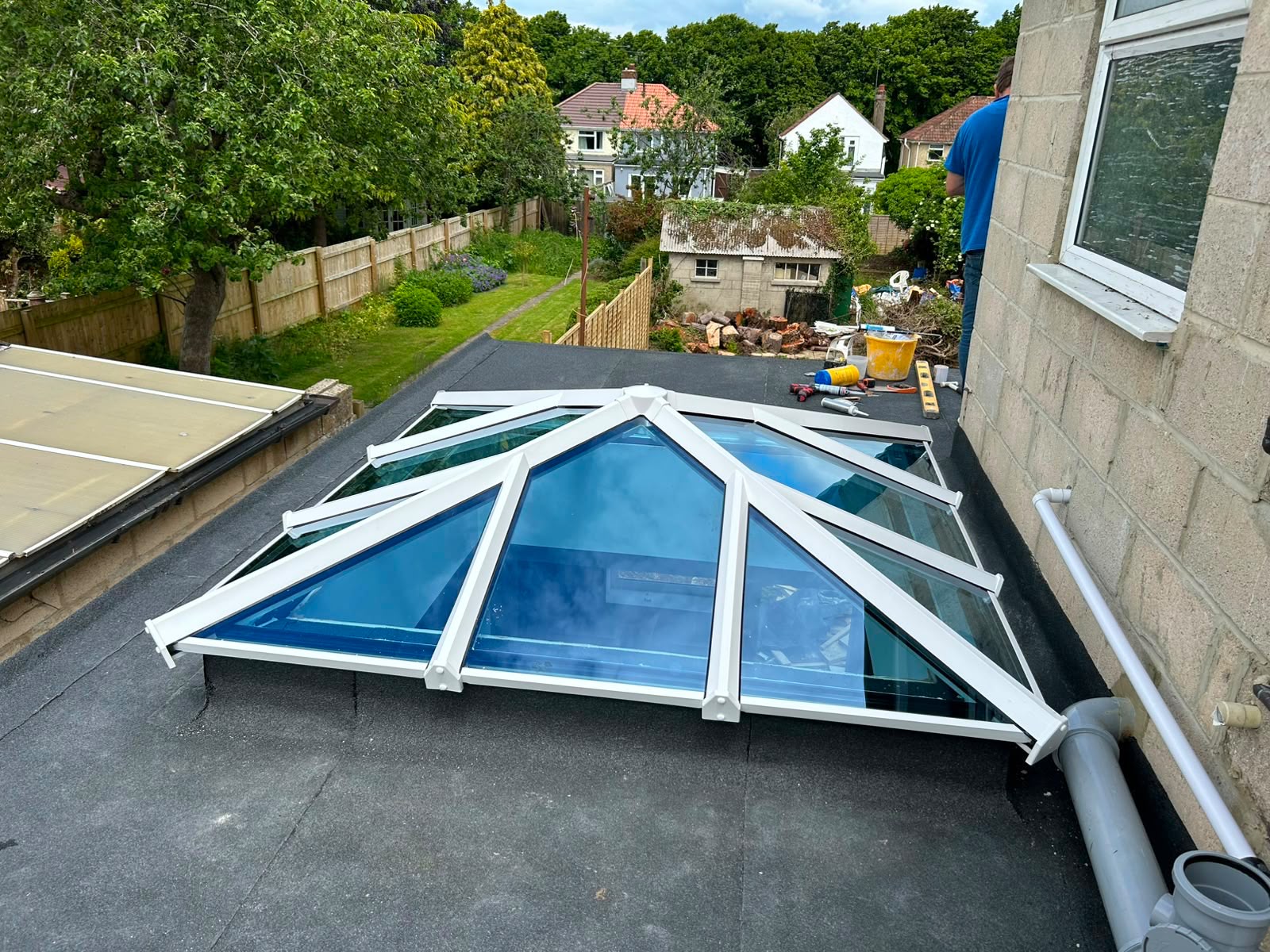
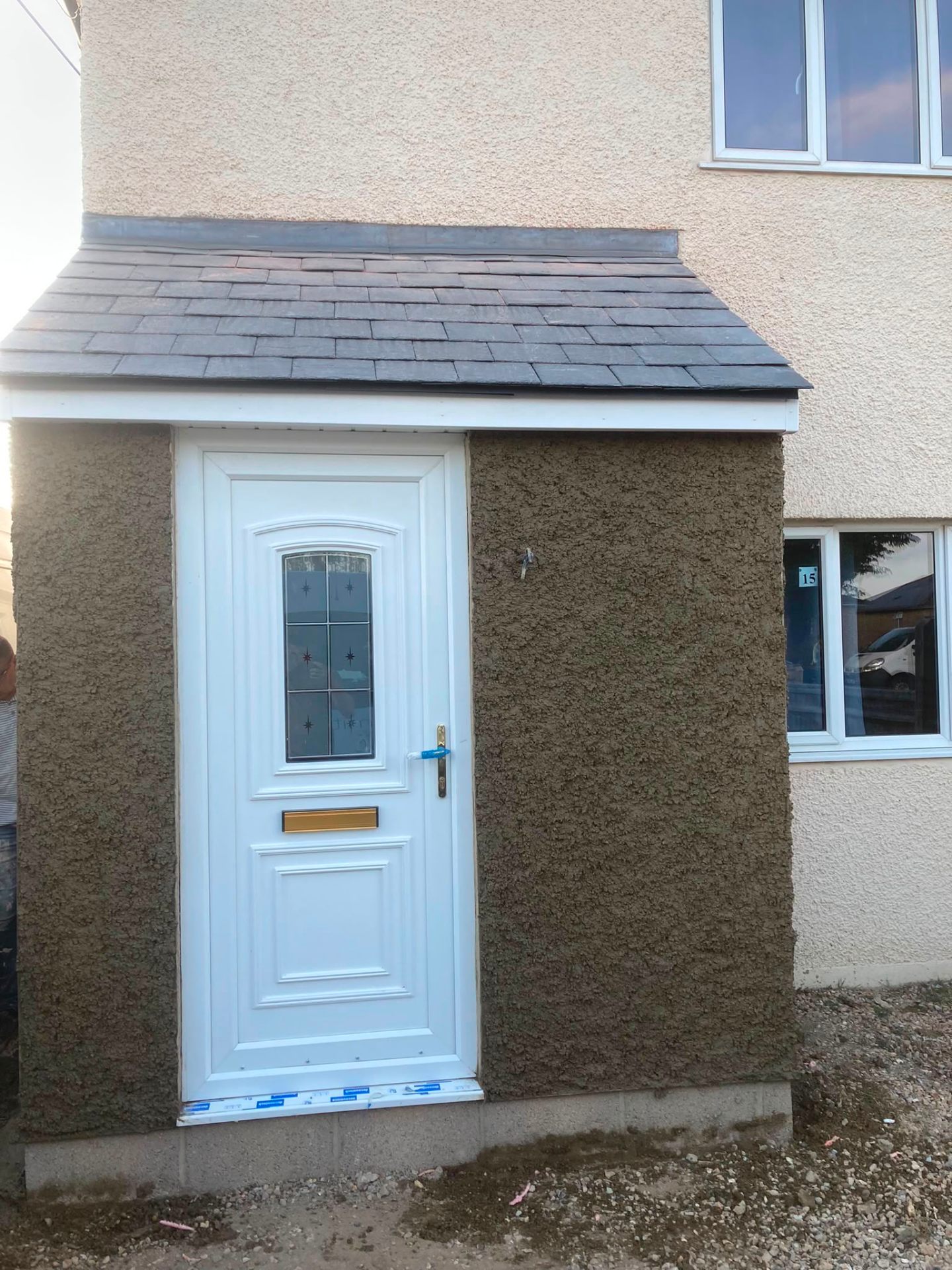
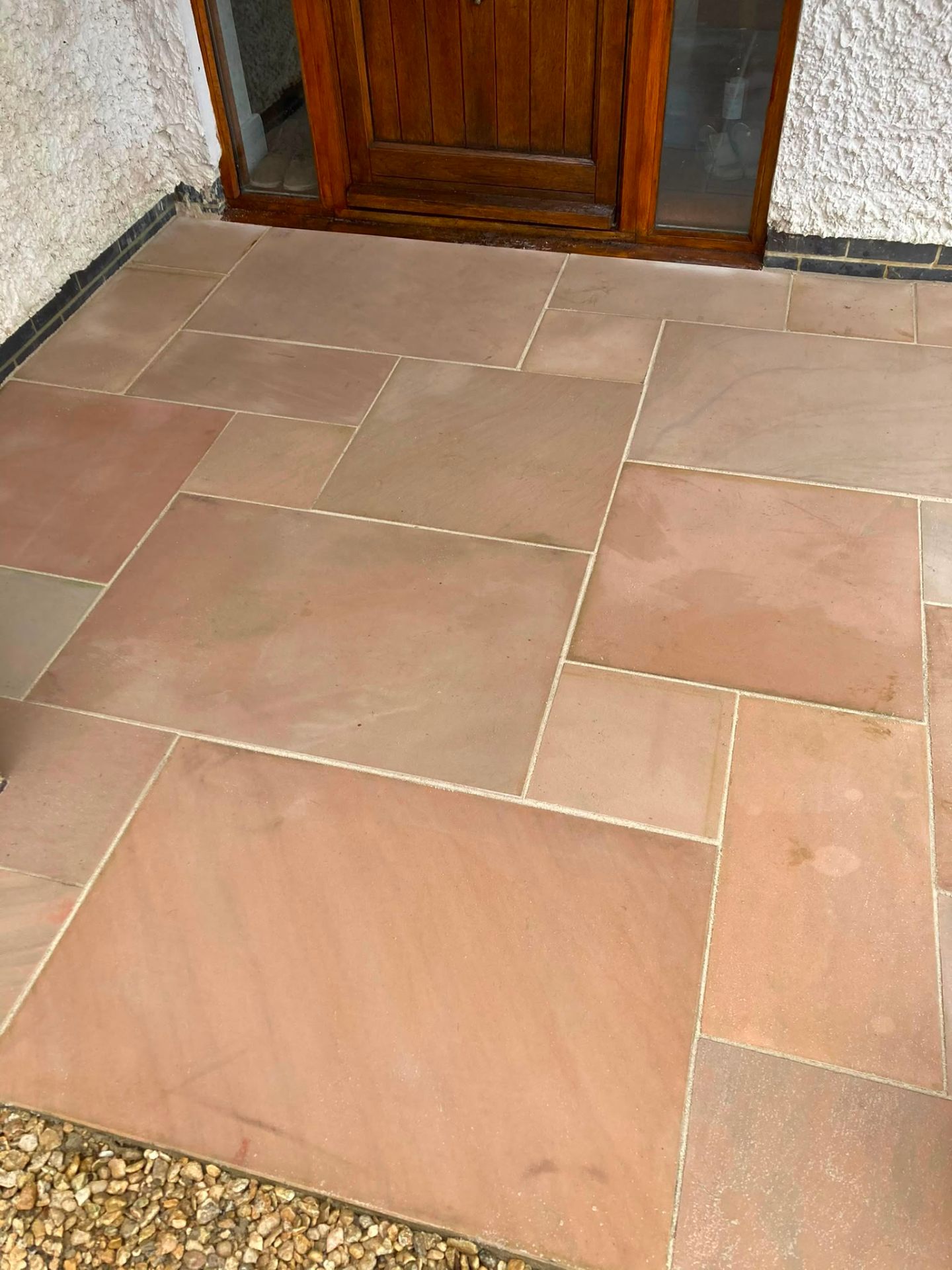
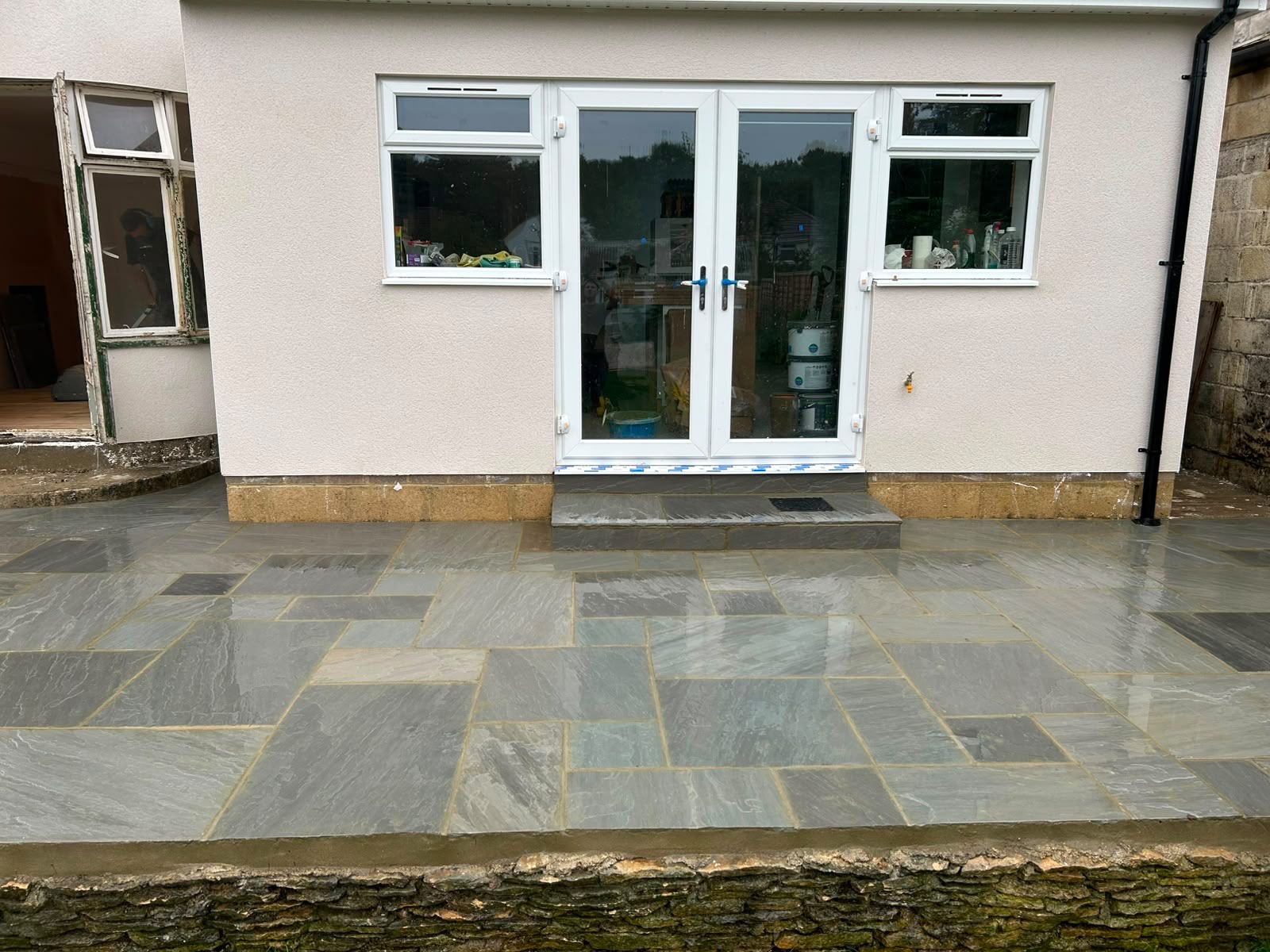
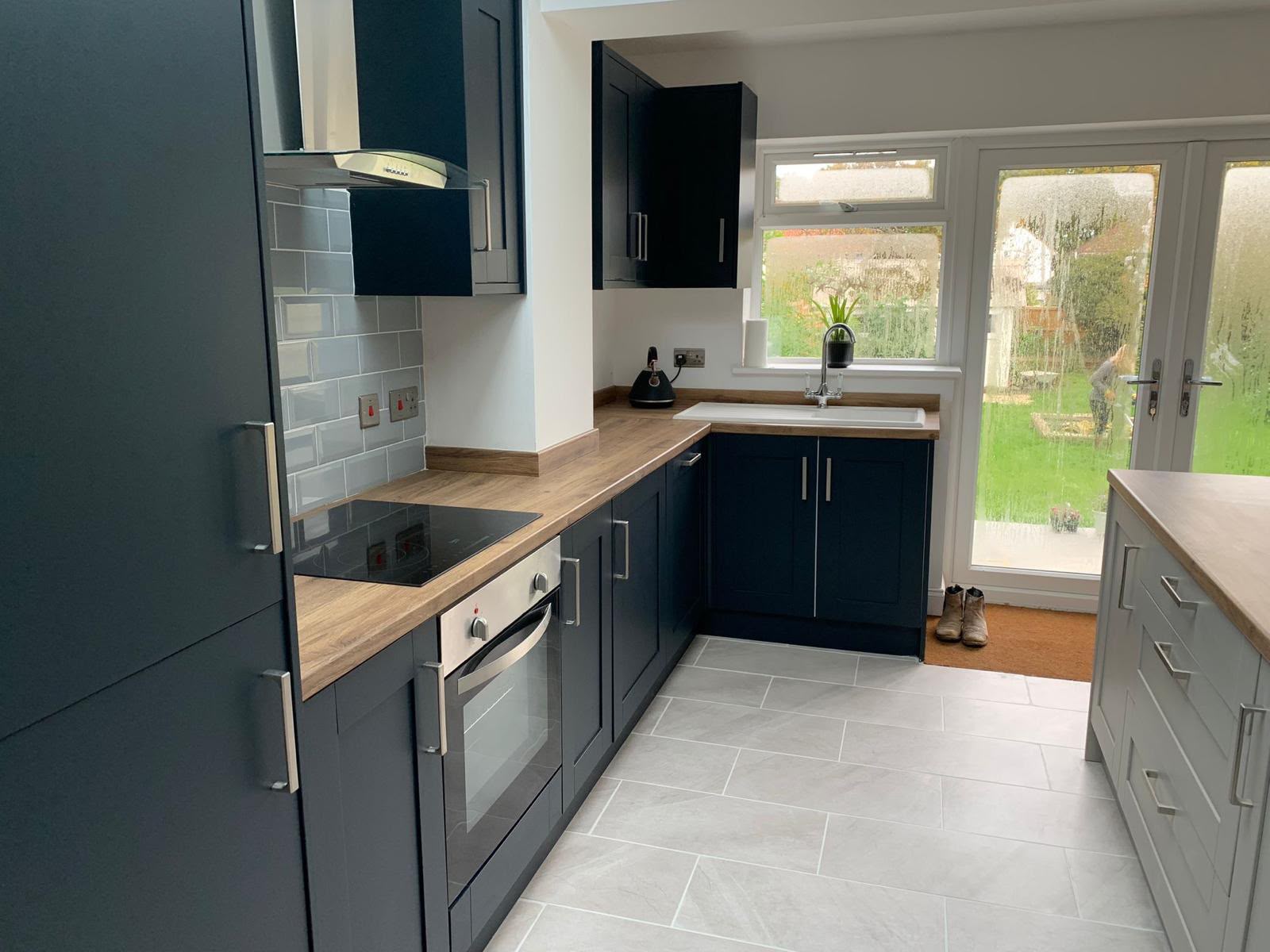
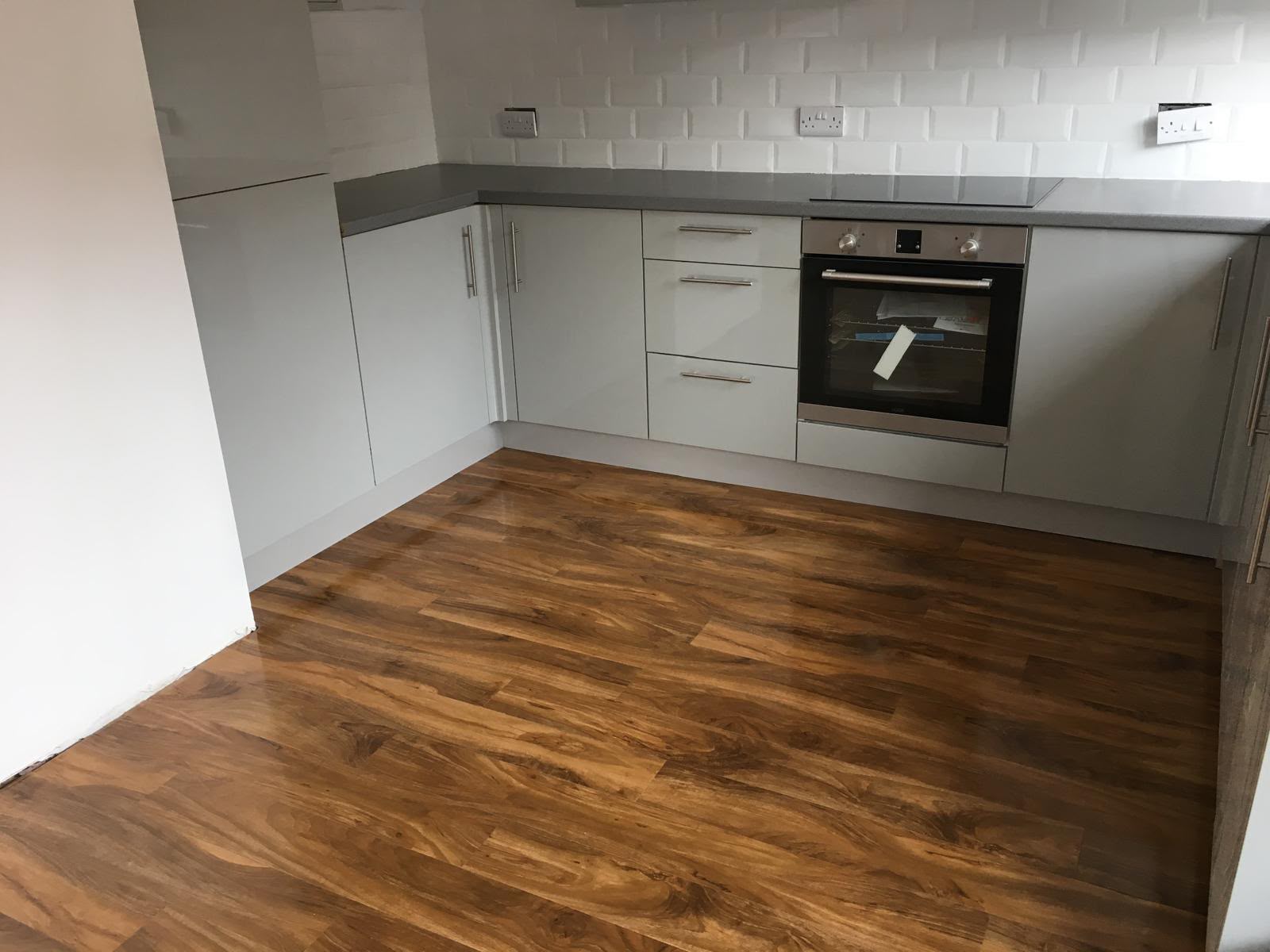
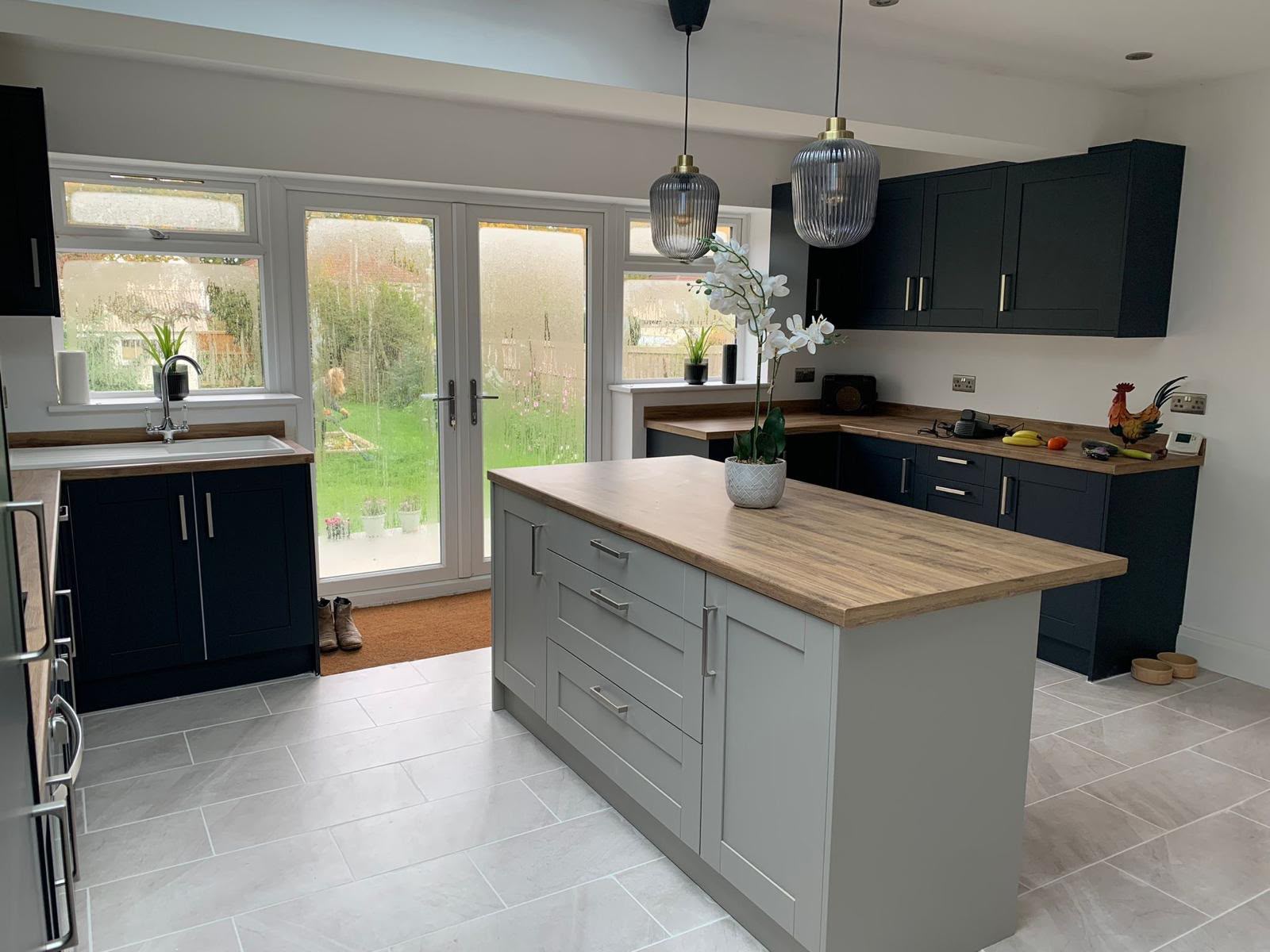
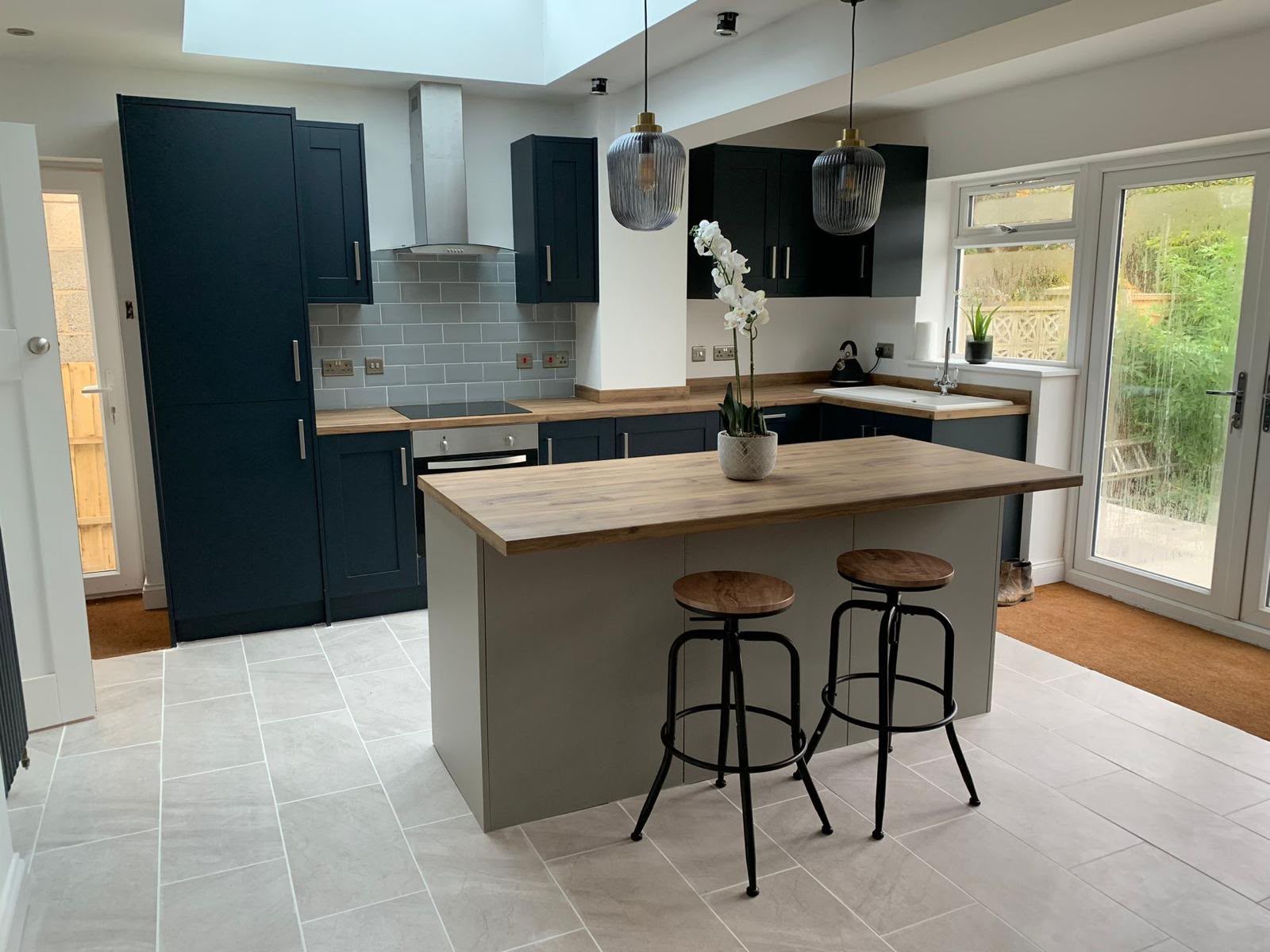
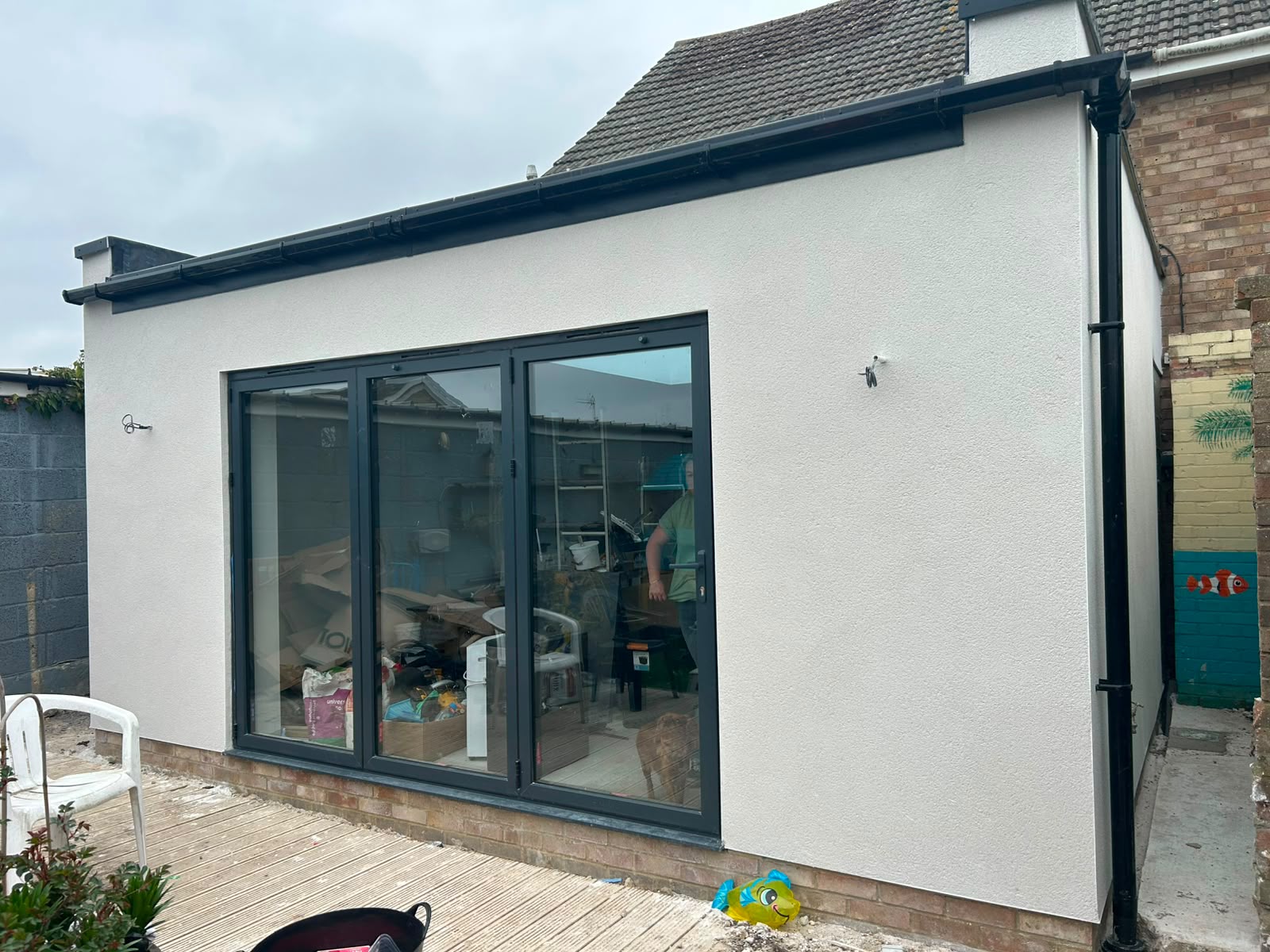
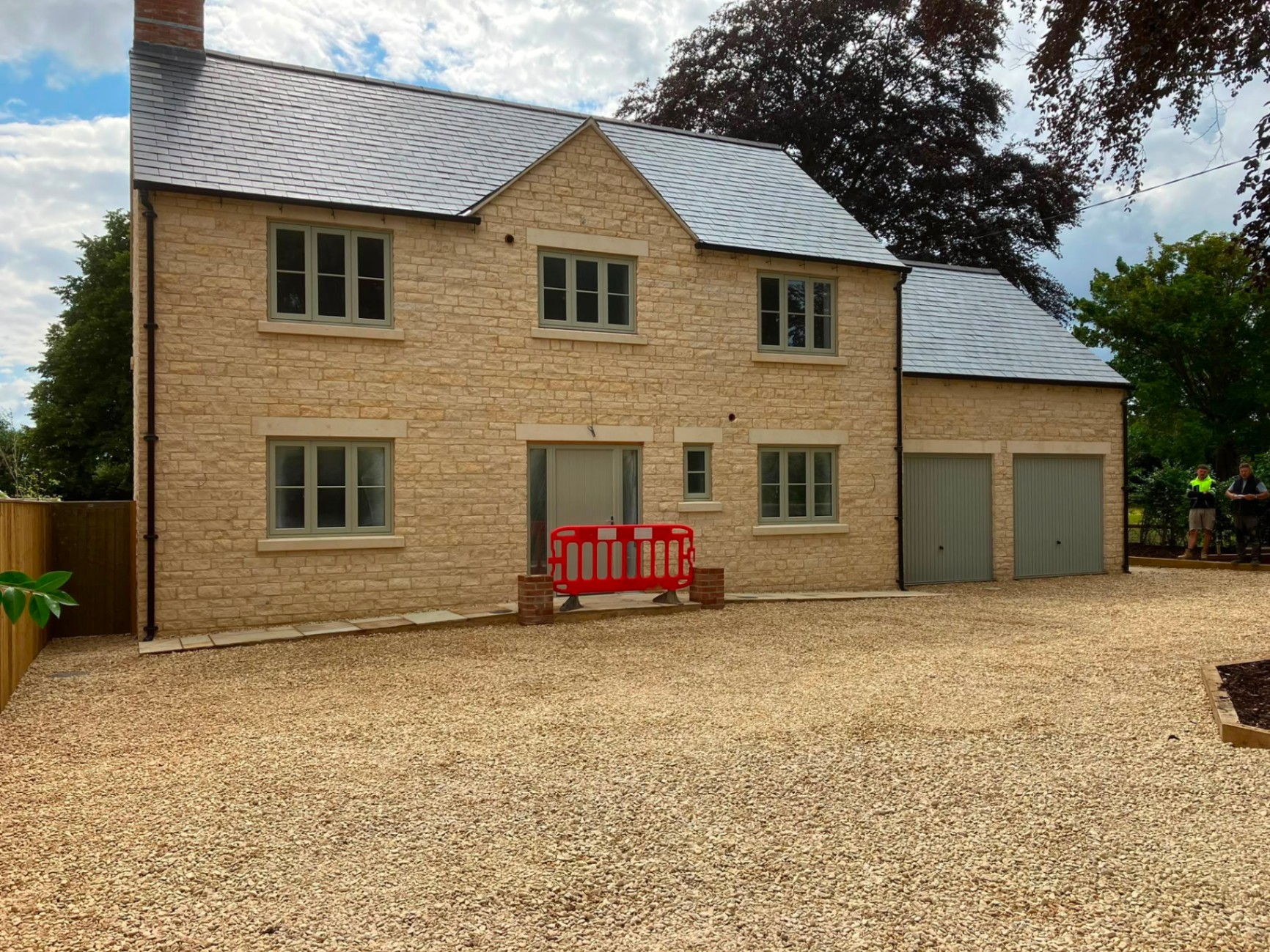
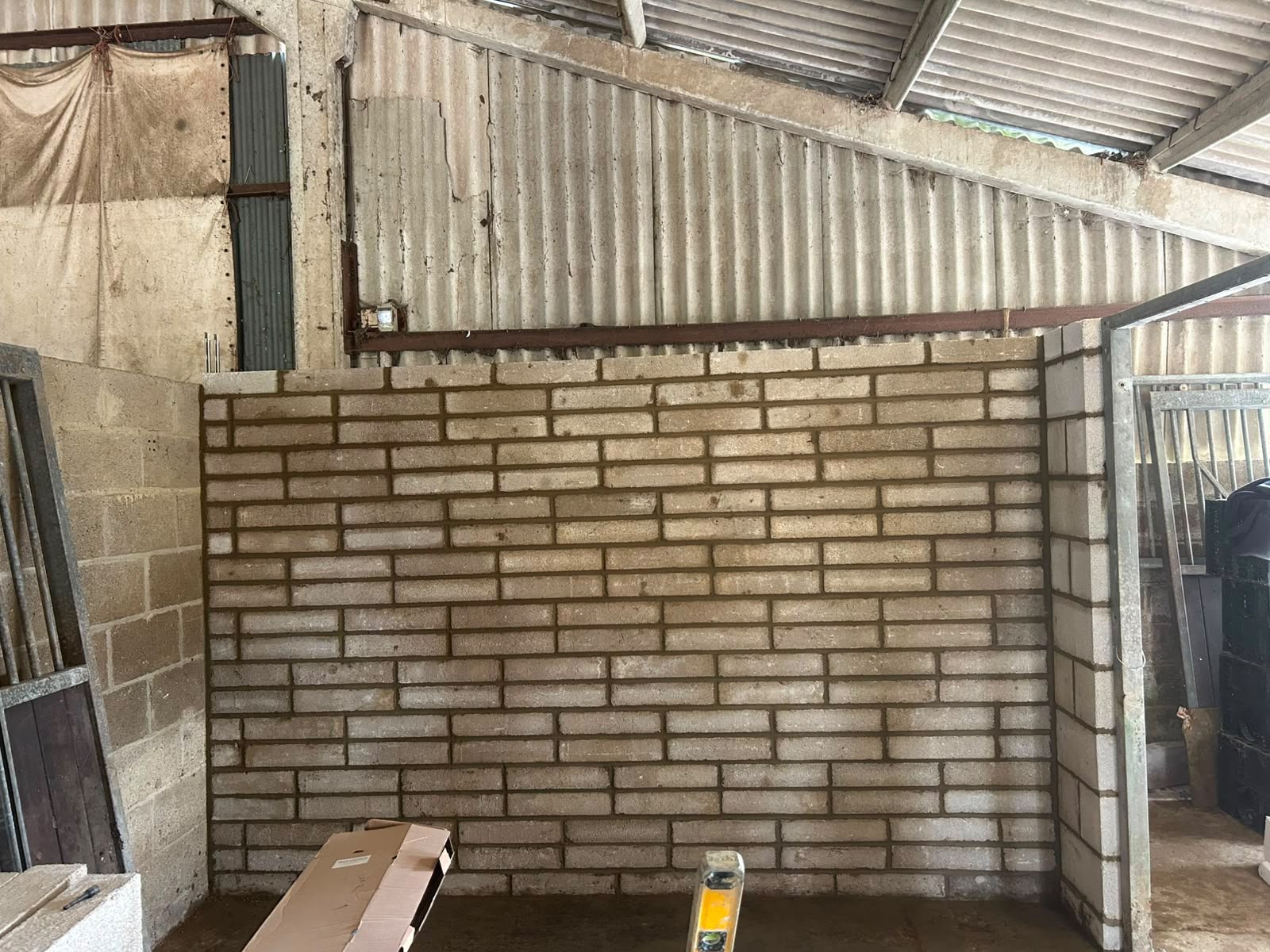
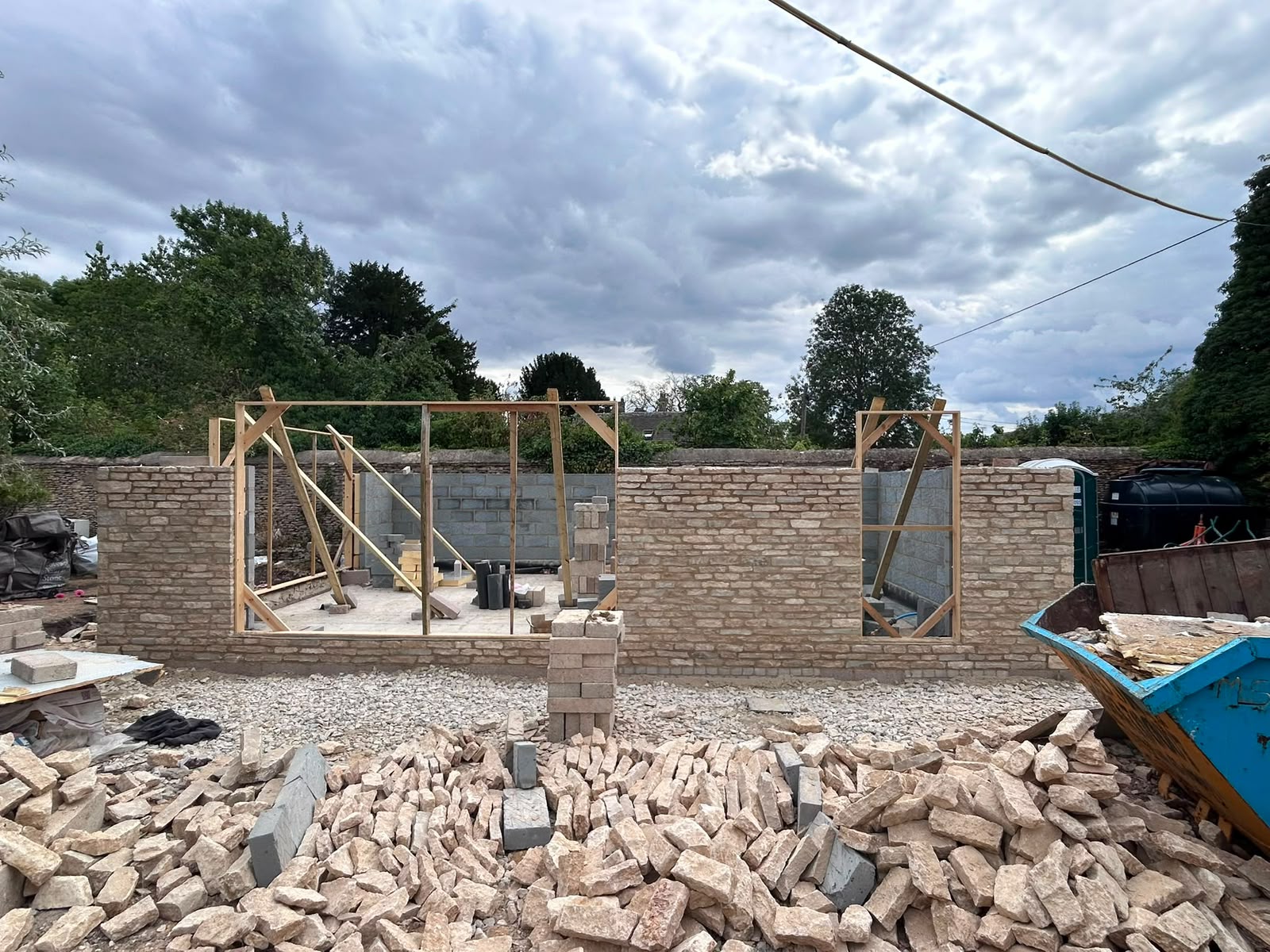
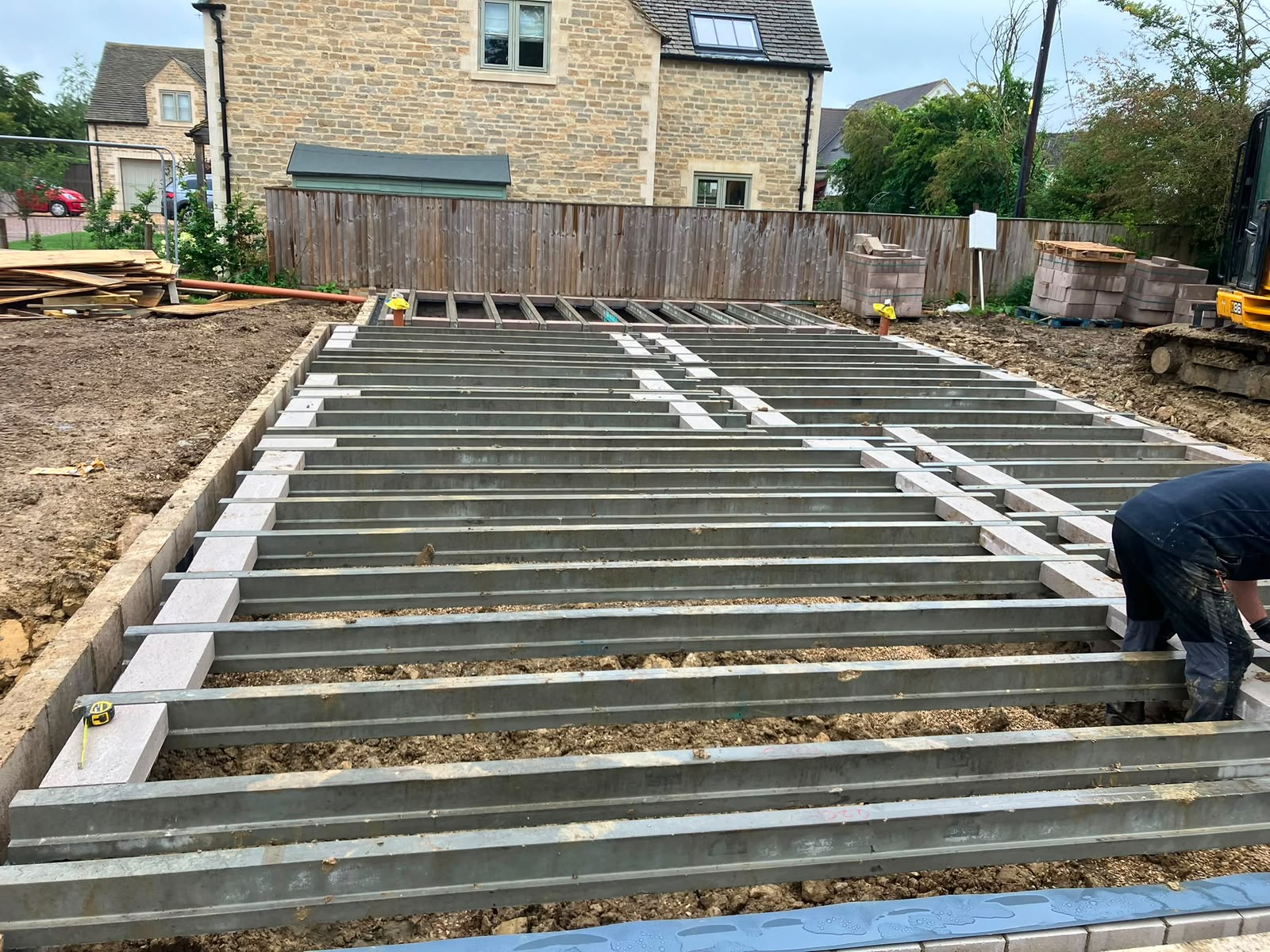
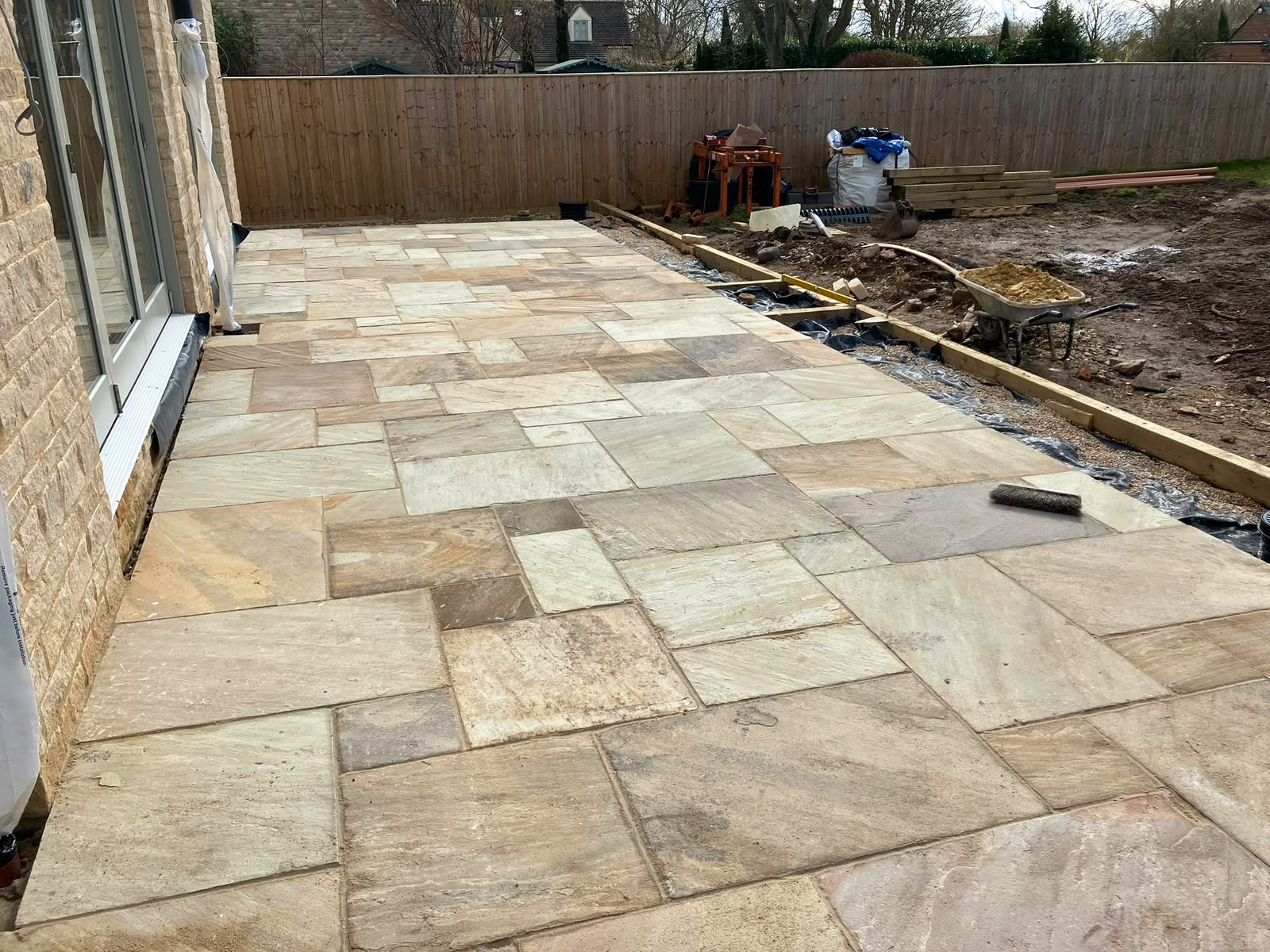
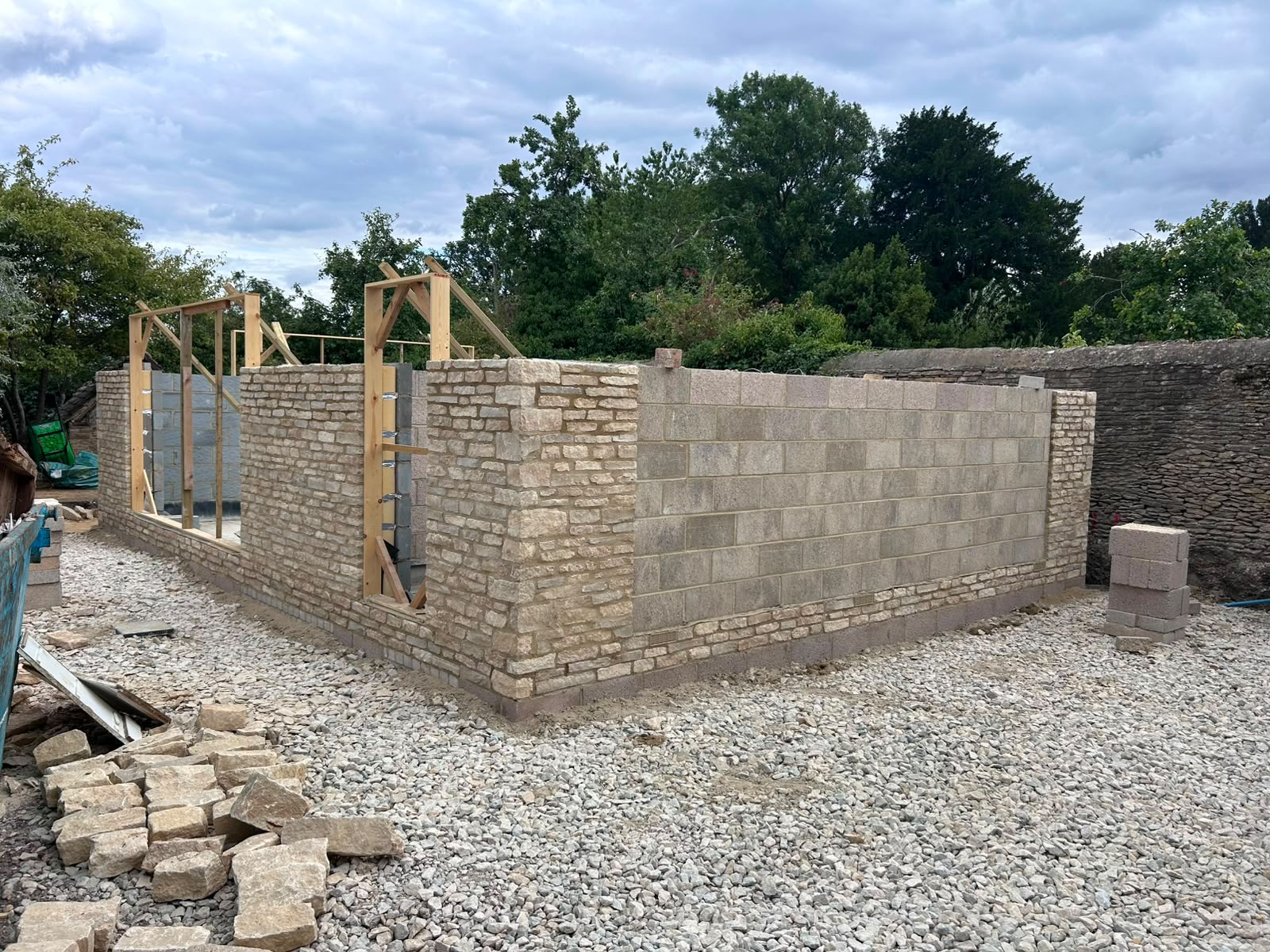
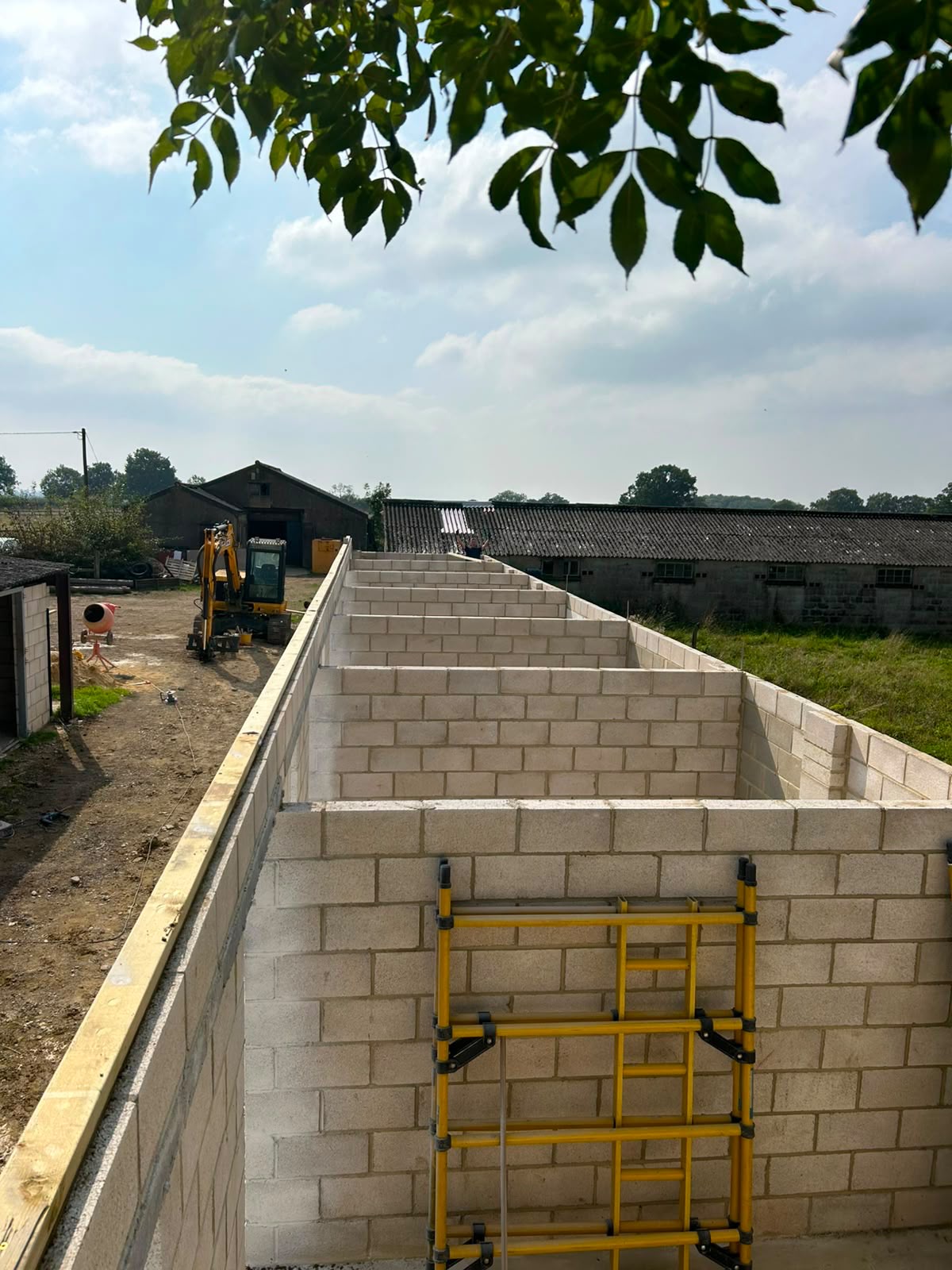
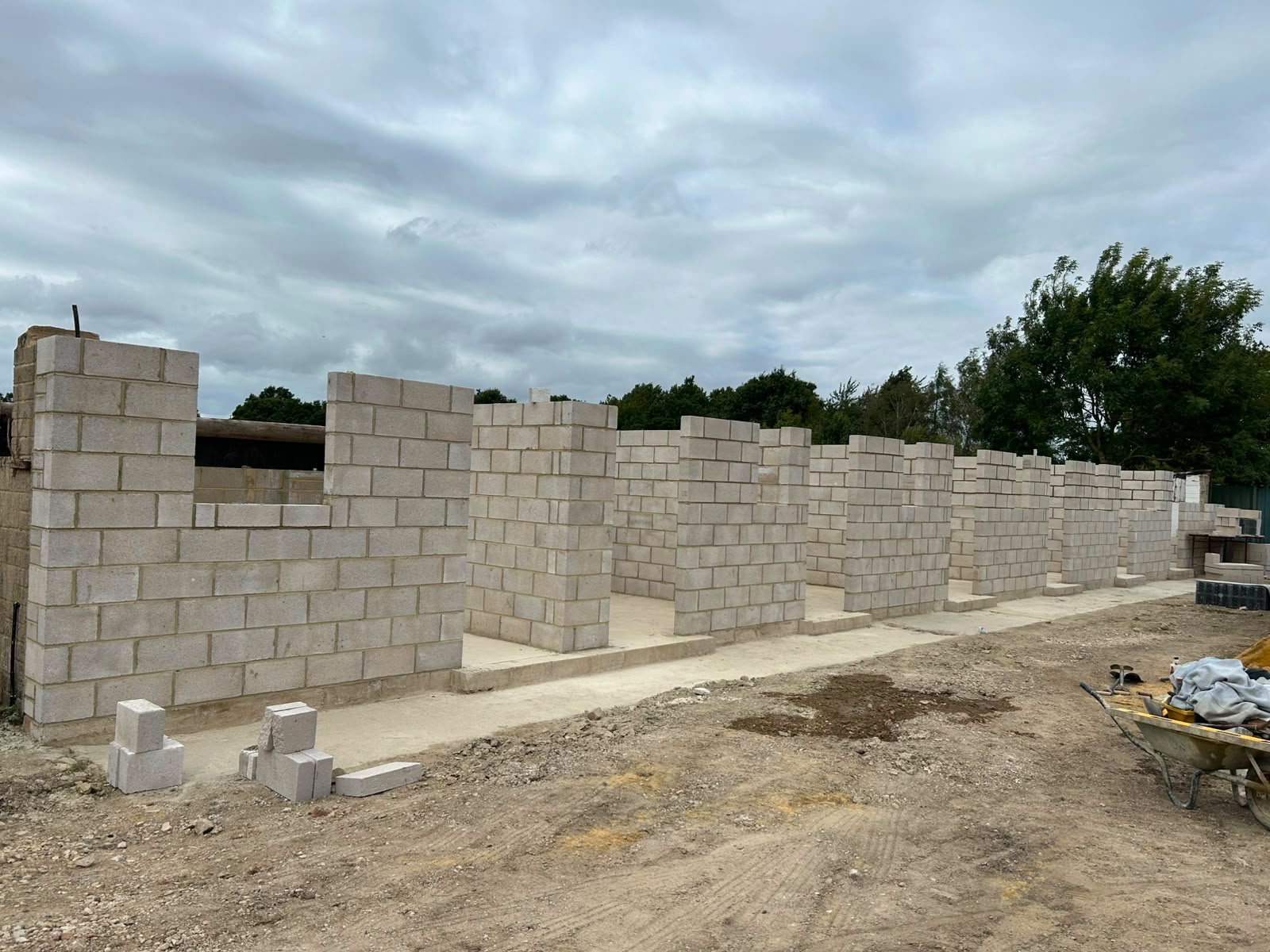
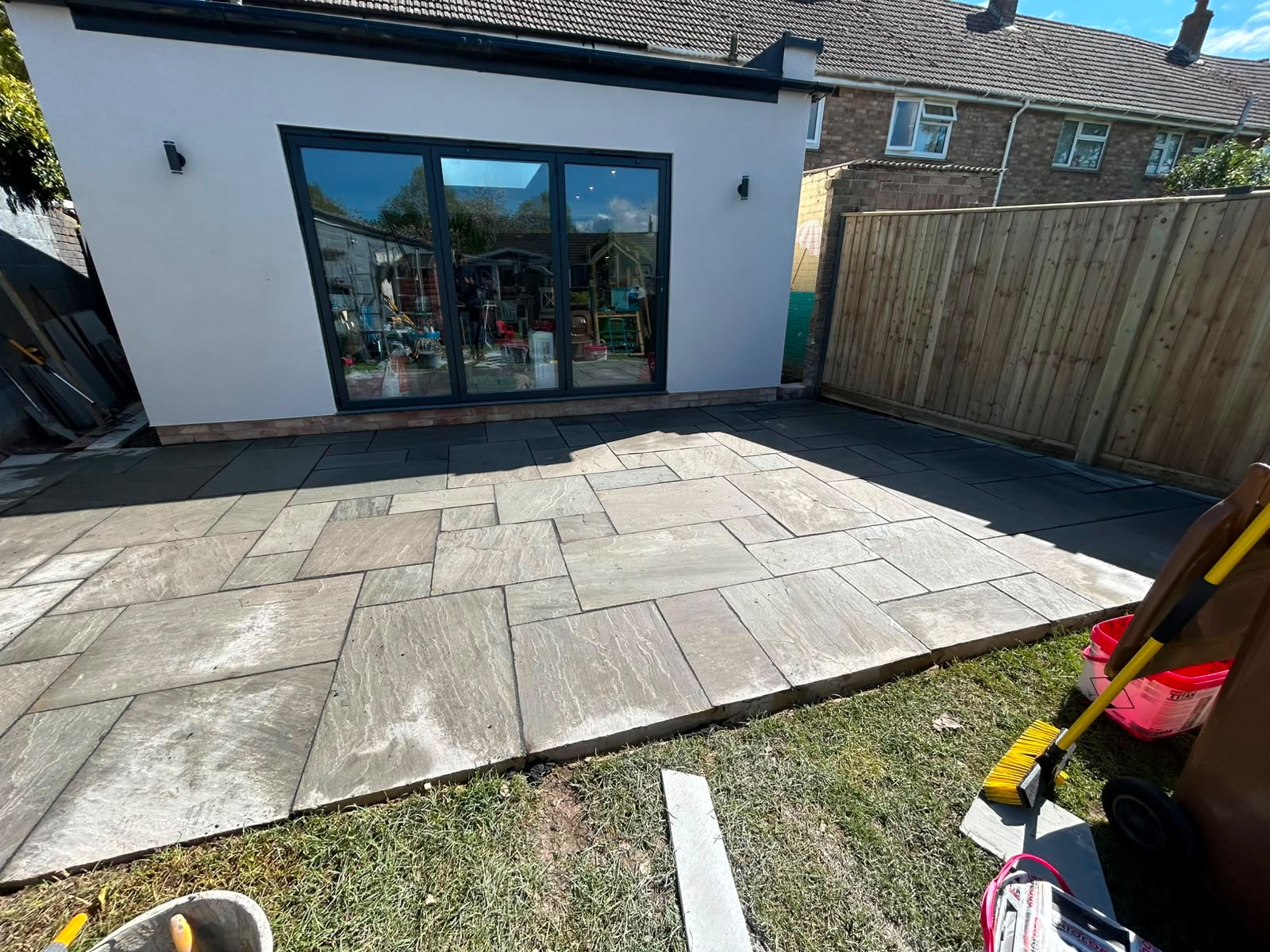
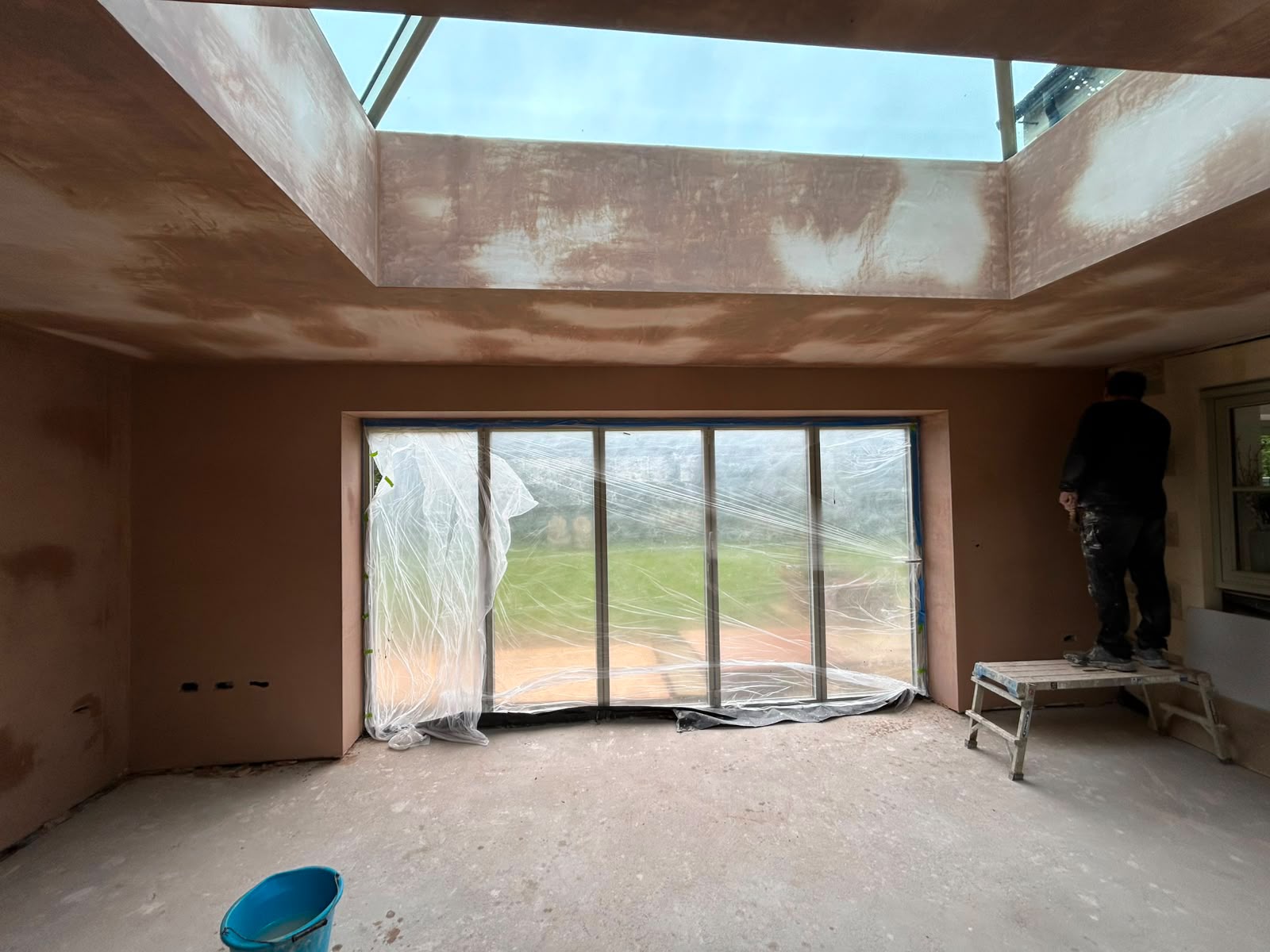
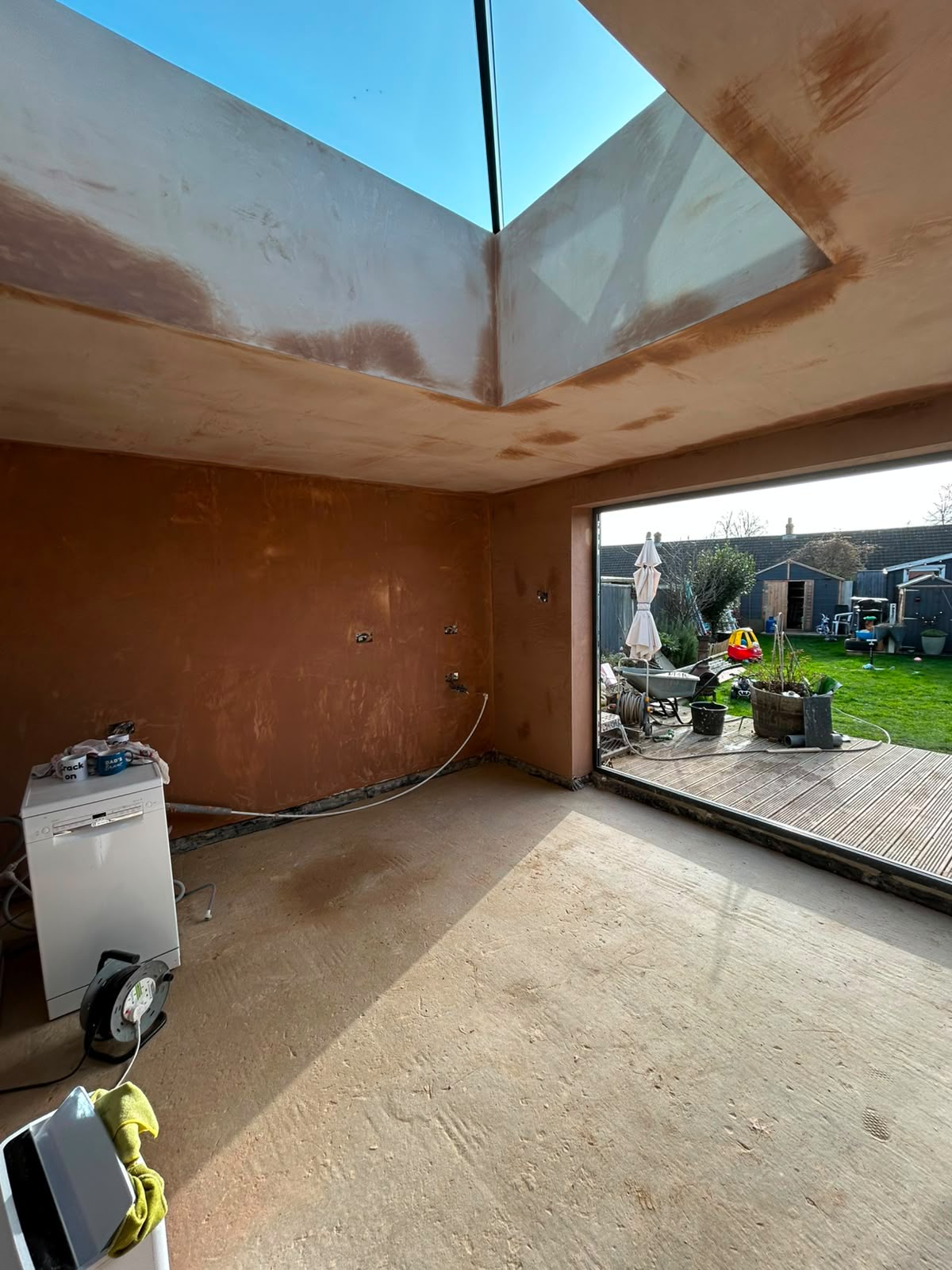
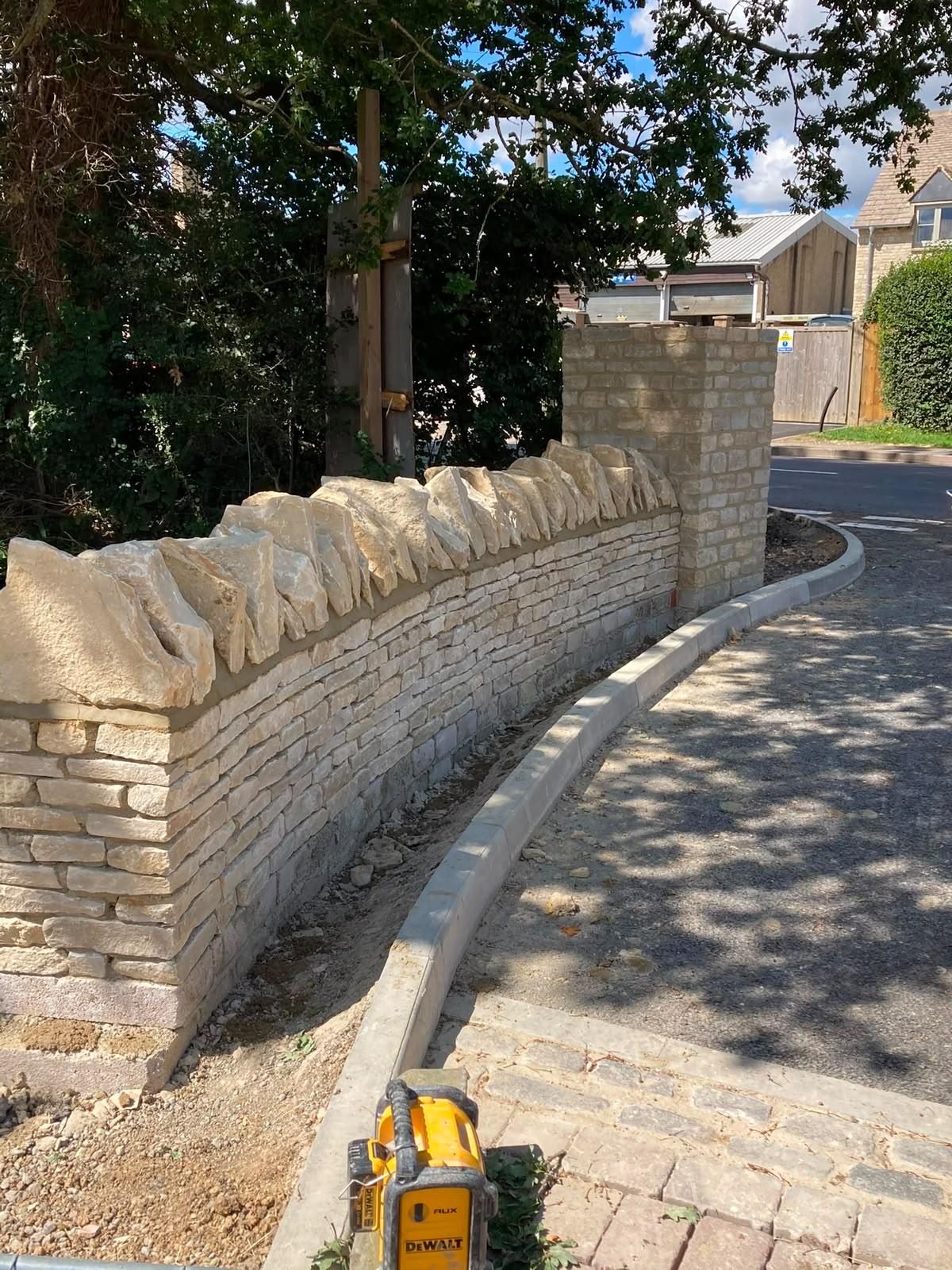
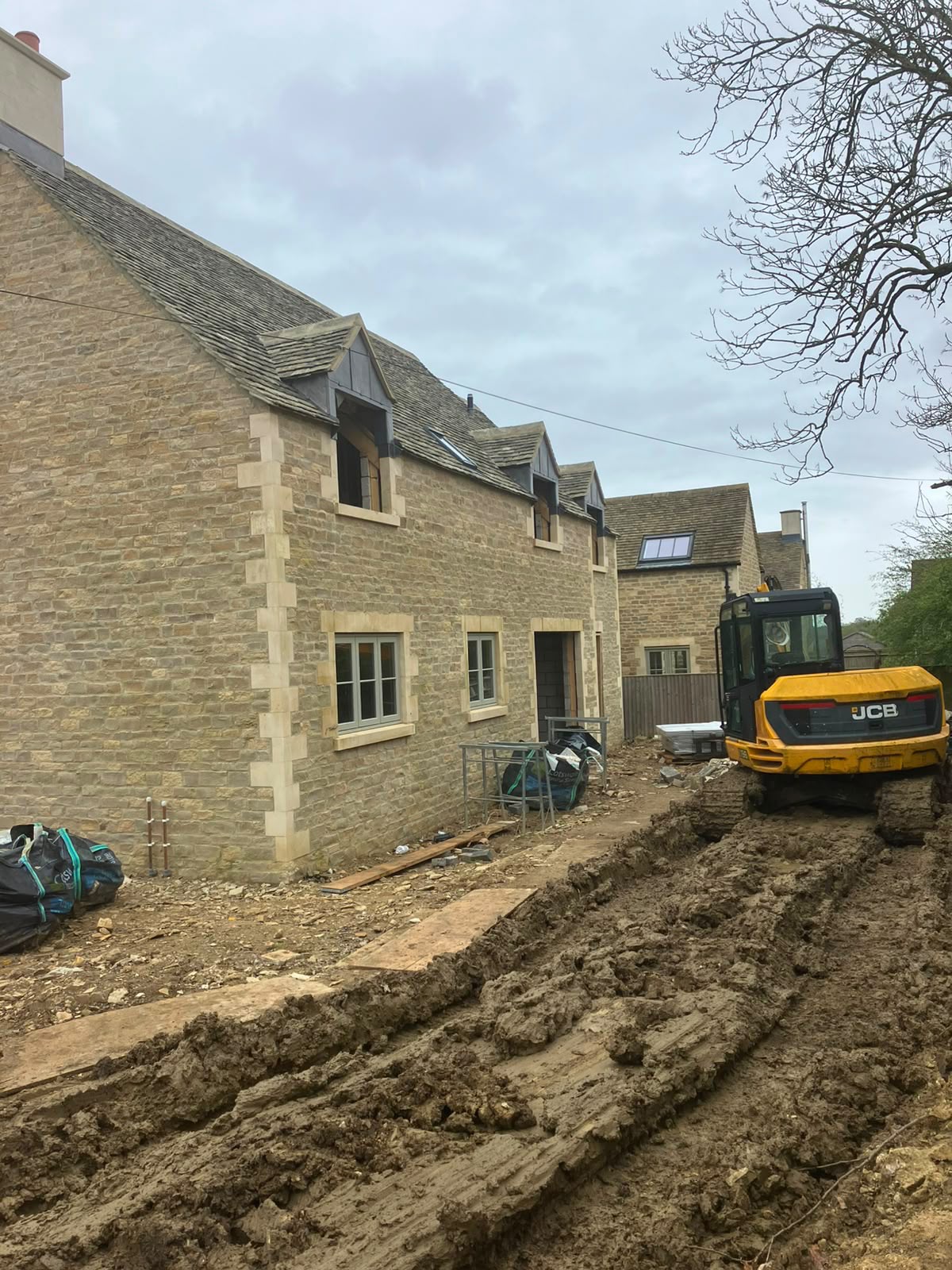
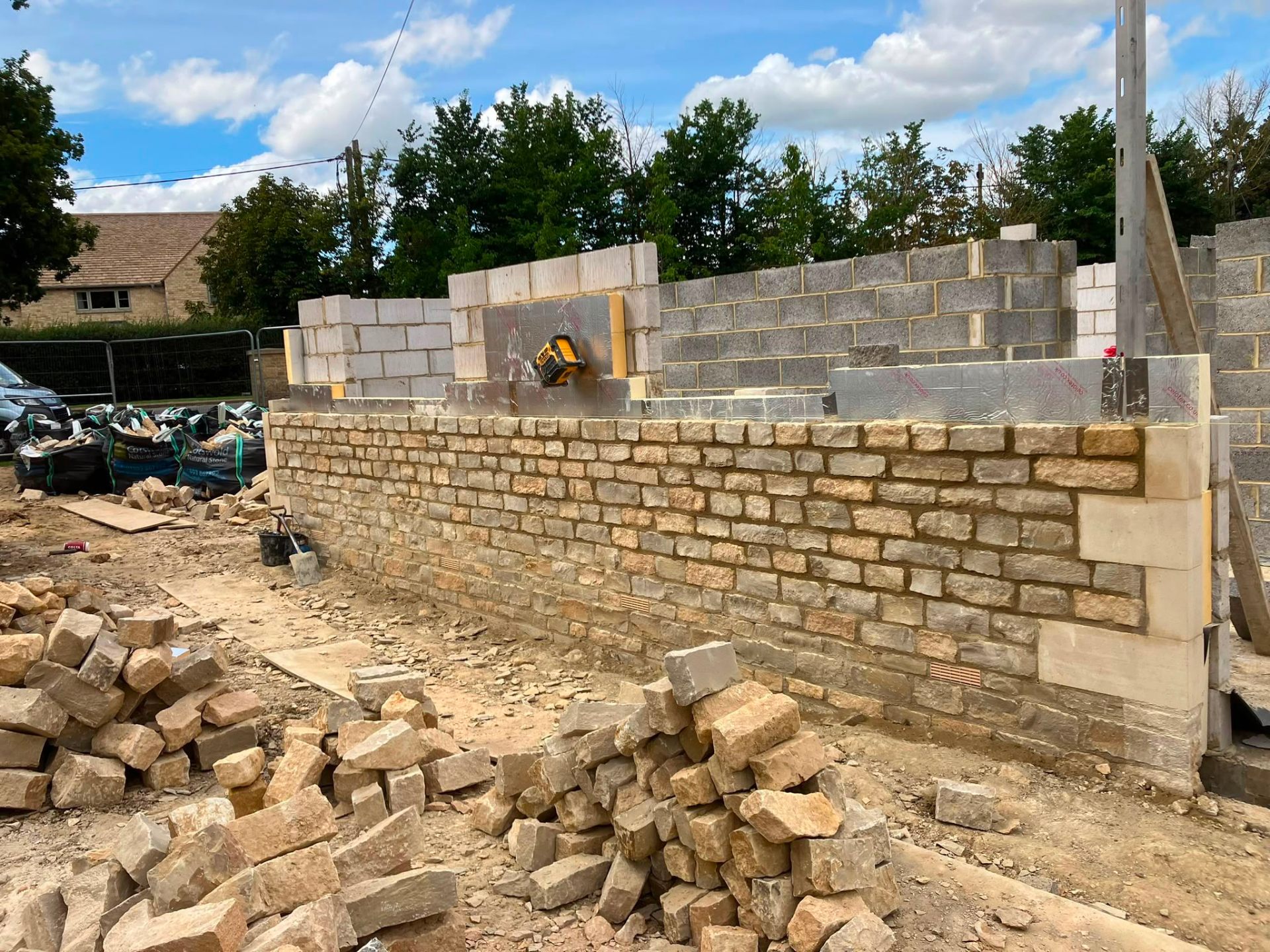
Rule of thumb: a third of the post length in the ground, minimum. On exposed sites we go deeper. Posts always set in concrete with a collar above ground level.
Fifteen to twenty years is realistic for pressure-treated close-board on properly set posts. Cheap panels on shallow posts can be down inside five.
Either. If the posts are sound we can replace panels only. If posts are rotten, replacing panels without replacing posts is a false economy.
That's between you and your neighbour's deeds. We'll only work on fencing you're clearly entitled to work on and, where it's boundary, we recommend a quick conversation with the neighbour first.
Yes: pedestrian, garden and driveway timber gates, with posts sized to the swing load.
We supply as standard from local timber merchants: quality and treatment we know. If you've got specific product in mind, we'll work with it.
Depends on the season. Storm damage runs busy for a few weeks after a big blow. We'll give you a realistic date, not an optimistic one.
Yes: Highworth, Faringdon, Shrivenham, Lechlade, Fairford, Cirencester, Witney and Burford all part of the regular patch.
Related trades
Patios, garden walls, turfing, decking and fencing: the outdoor build, handled in-house.
Read moreFair-faced brickwork, garden walls, arches and repairs: built by the family that's been doing it since 1988.
Read moreStructural alterations, load-bearing work and repairs from a three-person, in-house team.
Read moreReady when you are
Free site visit at a time that suits. Written, itemised estimate in 3–5 working days. Staged payments, nothing due before we start.